
You’ve decided to foster! I LOVE LOVE LOVE you for this. It might be one of the most fulfilling and patience-testing endeavors that I have ever done. Secondly, a disclaimer: I am not a dog behaviorist or trainer. My techniques and recommendations are from trial/error, doing lots of reading and watching other trainers. What works for my present and past dogs may not necessarily work for yours. I do adjust my techniques depending on the dog’s temperament and trainability. My techniques and modalities have changed greatly over the years as I have acquired more foster dogs; there are things I did in the past, I would never do again. My motto is: do what you can until you know better and when you know better, do better.
Short-term fostering
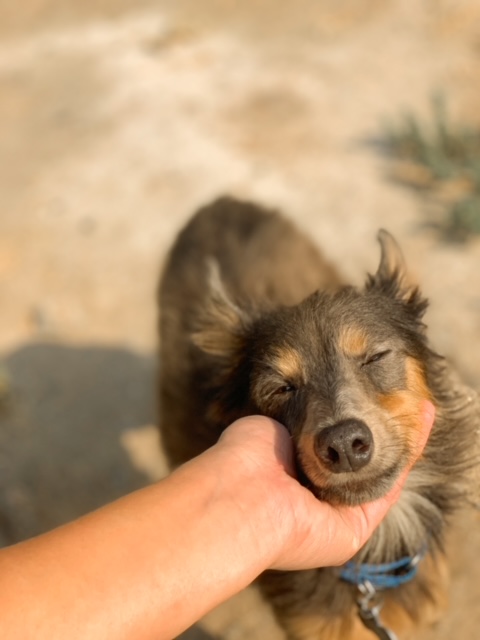
I recommend starting as a short-term foster for this local volunteer network in Fresno, CA: Fosters 4 Rescues. It costs nothing and they provide you with all basic materials (crate, leash, collar, dog food). You just provide the space to house the dog. ****I have never directly worked for them & I am not sure how effective their process is.
With the spay/neuter issue in California, especially impacting the Central Valley, the shelters and rescues are inundated with perfectly good and healthy dogs/cats that are at risk of euthanasia due to space. More animals enter the shelter & rescues than are being adopted. For a handful of lucky Central Valley dogs, out-of-state rescues will accept them BUT need a short-term foster home to pull them from the shelter until the next available transport (usually 1-3 weeks). You are essentially a half-way house. You get to inadvertently save lives! Not just the one you are fostering, but the space you create so that one less dog is euthanized.
Your foster has an “end date,” you don’t have to promote them on your social media, take lots of photos/videos, etc. You are not ultimately responsible for making sure they are adopted to get them moved on from your home– BUT you are still doing WONDERS for the rescue community.

Fostering for a local shelter
Local shelters also need fosters. Getting a dog out of a shelter/kennel is hugely impactful for the dog. It is stressful for dogs to be in loud shelters and even just simply giving them a home to stay in until they get adopted or for a couple weeks is going to positively affect their demeanor and adoptability. You can foster through local shelters such as: Fresno Humane, Central California SPCA, Animal Compassion Team, Valley Animal Center, etc. Depending on the shelter, they usually provide you with the basics to get started and still cover for their vetting. You just provide the safe space and loving home (AND PLEASE MAKE SURE YOUR OWN PETS ARE SPAYED/NEUTERED). Sometimes, the foster you are taking in has not yet been fixed so it is pertinent that you don’t contribute to the problem by accidentally having more puppies/kittens!
And if puppies or kittens are calling your name, shelters ALWAYS need fosters for their kittens and puppies. A shelter is no place for a baby to grow up in and a foster home would provide them with the necessary human contact and socialization that is pertinent for their development into a well-adjusted pet.

Fostering for local rescues
Who are local rescues in the Central Valley??? Paw Squad 559, Mell’s Mutts Rescue, Lab Rescue of Fresno, Gabby’s Animal Rescue, Bowe’s Animal Rescue, etc. Not from the Central Valley, CA?? I am sure there are some local to your area. There are plenty to choose from! The rescues generally provide the basics: crate/leash/collar/food/vetting and sometimes even toys BUT…. unless you happen to get a cute, fluffy, well-adjusted designer breed that everyone wants to adopt, you will likely need to spend a lot more time taking photos and promoting your foster dog to get them adopted.
While you can give the rescue a time-limit on your foster care, rescues have limited volunteer support and resources, so a dependable and committed foster home is extremely pertinent. Many local rescues DO NOT have a facility for the dogs to go to, so they expect fosters to truly commit to a dog if the rescue is going to intake a stray/pull from a shelter. What does that look like? A foster home that is willing to be patient & allow the dog to decompress, take lots of photos and promote their foster dog. A foster home that is going to be dedicated to housing this dog until they get adopted (average 4-8 weeks).
Some common categories your foster dog may need help with include house-training, leash-pulling, jumping, digging, and other normal dog behaviors. Please keep in mind, these animals are coming from highly stressful situations and have been in multiple homes that each have their own rules and schedules.
Maximizing your foster
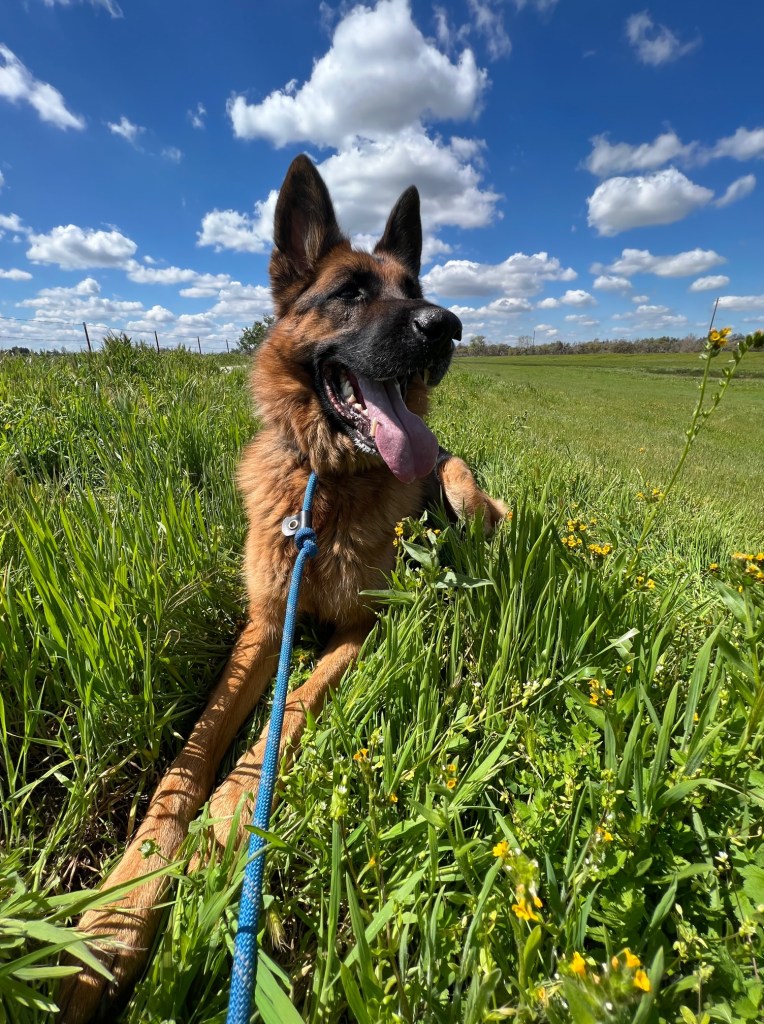
Some people think fostering is just taking a dog in, housing it, feeding it and watering it until it leaves your house. While that is also very wonderful to get a dog off the streets or out of a cage at the shelter, I think the point of fostering is so much more than that– which is why I try not to foster more than one dog at a time. Not only are you the dog’s shelter and safe space, you are the dog’s best chance at a forever home. Many dogs gets dumped because they aren’t trained (eye roll) and the owner doesn’t want to put in the effort. As a foster mom, I try to do basic training with all my foster doggies because it’s the best way to end the cycle so that they don’t end up back on the streets or abandoned at the local shelter. I am constantly videoing their progress and posting on social media because this is going to set your foster apart from just a cute photo of an adoptable dog online. It helps people connect to them.
AGAIN: Lots of GOOD QUALITY photos and videos are essential (not dark/bad lighting, out of focus, in a crate, etc). This helps the public see the personality of the dog. Think of this as a dating profile: wouldn’t you want your best foot forward? Your best photos from the most flattering angles and in optimal lighting? Shelters and rescues always appreciate good photos to get this doggo into their furever home ASAP. If you’d like to see examples of what/how I post about my fosters: Instagram.
I also used to think it was cool to also teach them things like “shake.” However, many of the dogs that come to me don’t even know how to behave as an indoor dog: they mark, they aren’t socialized, they have no manners, etc. Owners don’t abandon their dogs because they can’t learn the “roll over” command. Dogs get abandoned because nobody taught them the difference between a chew toy vs a shoe. They get abandoned because the owner thought it was SO ADORABLE when their 15lb puppy would jump and give hugs but now that puppy is a 95lb grown dog who was thought that jumping was ok as a puppy, but all of a sudden…. it’s not??? And he’s confused how he ended up as an owner-surrender at the local shelter, likely awaiting his turn on the euthanasia list.
My priority now is no longer teaching cool commands, but basic indoor manners. Curbing bad habits. Allowing them some freedom in the house and keeping a close eye & reprimanding when you catch them in the act. It’s exhausting but consistency is key. And so is not losing your shit. When you lose your cool, it shows the dog that you are not in control and unsuitable as the alpha and leader.
If you get ambitious (like me), I highly recommend reading this book. Why? Because I don’t want to have to repeat all the things I learned from this book onto this blog (that’s plagiarism lol). The first thing you need to teach the dog is that you run the show and you are a leader deserving of their respect. That’s why it’s called Respect Training for Puppies. Yes, respect. If that sweet, cuddly, cute dog doesn’t respect you (no matter how many treats you give it and coddle it), it won’t listen to you. In turn, it’ll think it’s the one in charge– not you. You’ll never get that dog to do a damn thing you want when you ask the first time. It’s a very quick and easy read, large font, straight to the point. READ. DO IT.

Another important role as foster is socialization. I try to expose these dogs as much as possible to car rides, walks, running, paddleboarding, kids, cats, hanging outside on restaurant patios. These all make the dogs more adoptable (and creates a better bond for the new owner/dog because then they are more likely to take the dog with them everywhere). Also, a poorly socialized dog has issues such as: anxiety, sensitivity to noises, etc. Another HUGE issue I come across with poor socialization is the dog becomes a “only pet household” dog. They don’t learn how to properly interact with other dogs, they don’t learn cues (like when to stop playing because the dog they keep annoying has had enough) and they become reactive or overly excited around other dogs.
Tell their story. People need to connect with them besides just a cute face. There are hundreds of cute, sad-looking dogs in rescues and shelters all over the country– make your foster stand out.

Also, I think of the different types of home environment these dogs will be adopted into. Maybe they will need to be crated most of the day while the owner is at work? Maybe the family doesn’t allow dogs on couches? Maybe they don’t allow jumping– no matter how big or small the dog is. I am strict with the dogs because bad habits are hard to break and I don’t want to set the dog up for failure. I know I sound mean but it’s in their best interest. When they finally make it to their forever home, that owner can spoil them to pieces, allow them on couches, let them jump alllll over them… and the dog will love them that much more.
Lastly, the way I see it: training/socializing a foster dog is like problem-solving. You encounter a behavioral issue and you figure out ways to resolve it. If it doesn’t work, don’t go thinking what is wrong with the dog, think about what you are not providing to help the dog succeed. For example, I had a super smart shepherd mix puppy. I am typically a very active person and thought that I could tire her out by taking her out on runs, bike rides, playing frisbee, playing tug-o-war for hours. However, no matter what I did or how much activity I piled on for her, she would still be destructive. After weeks of extra activities and a lot of frustration, I had to think outside the box of why she was still being so destructive and I realized that she as bored– not physically, but mentally. She was too smart and needed a job or needed to work her brain to tire her out as well. I ended up buying dog activity boards, snuffle mats (sensory stimulation with treats hidden) and making up a game of hide-and-seek with treats in the living room and……it worked! If I did one of these activities with her every couple days, she was well-behaved and stopped being destructive. Another resource I use is Vinny from Say It Once Dog Training. I especially love his leash-walking tips and tricks!
In an attempt to not make this too lengthy, (I could go on forever) I will stop here but feel free to email and ask any questions!!! I would be MORE than happy to help!

 Adventures of Lia